

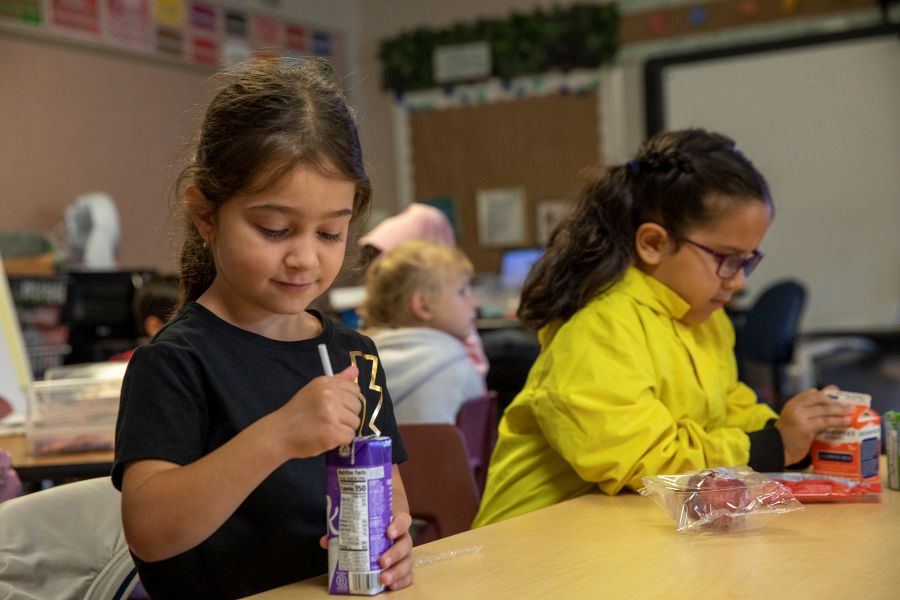
We’re Celebrating Breakfast and Lunch for 50,000 Seattle Kids
It’s the first day of school for students in Seattle Public Schools (SPS) – and this year, access to breakfast and lunch is different from it’s ever been.
Thanks in part to years of advocacy from United Way of King County (UWKC) and several of its partners, SPS has launched a universal school meals program today, with breakfast and lunch available to every student at no cost. The investment will impact more than 50,000 students and save families an average of $120 per month per child in food costs.
“This is a big win for kids and families, and an important step toward our larger goal of Free School Meals for All across Washington,” said Madeleine Vistica, UWKC’s senior food security program manager. “School meals are one of the most effective tools we have to address childhood hunger because they reach kids at school, where they already are.”
The City of Seattle approved $3.6 million for the program, which will be covered in 2026-27 by leftover funds from a North Seattle affordable housing project. In 2027-28, it will be covered by the voter-approved Families, Education, Preschool, and Promise property tax levy.
UWKC applauds the move after more than five years of advocacy efforts from its staffers and partner organizations to expand access to free school meals, as well as several years of intensive local conversations with staff at the City of Seattle and Seattle Public Schools.
Why Universal School Meals Matter
UWKC isn’t alone in supporting universal school meals. While skeptics ask why even higher-income students would need access to free food at school, a wealth of published research studies show that universal school meals help eliminate stigma, boost academic performance, improve children’s health, and decrease home grocery bills.
This resource from the Food Research & Action Center is one of many that outlines the robust body of research and helps explain why so many experts, educators, administrators, and policy makers support universal school meals, and why legislatively the momentum on this topic is growing across the county.
“In a nutshell, when meals are free for everyone, more kids eat,” Vistica says. “Universal access removes paperwork and stigma that can keep students from participating in school meal programs.”
Vistica added that school districts’ current income limits often leave families behind. Federal eligibility limits don’t account for Seattle’s, King County’s, and Washington’s high costs for housing, childcare, groceries, and other necessities. Families can be struggling to make ends meet while still earning too much to qualify for free school meals.
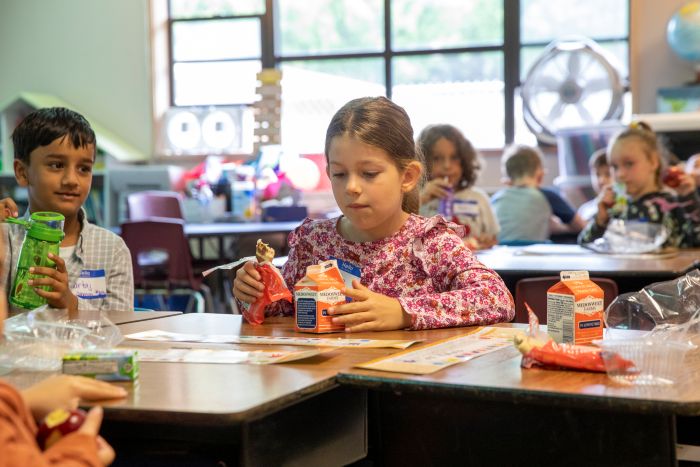
Universal meals particularly help students who are experiencing food insecurity. Before today’s expansion, 51 Seattle schools already offered universal meals through existing programs, but 53 did not. The City of Seattle estimates that more than 6,800 food-insecure students attended schools that didn’t offer free school meals for all.
And, the benefits extend beyond hunger. Consistent access to nutritious school meals is associated with better nutrition and health, improved attendance and behavior, and stronger academic outcomes.
Universal school meals also provide meaningful relief to household budgets. When a child accesses free breakfast and lunch at school, it can save their family roughly $130–$150 per month on groceries.
United Way of King County’s Longtime Advocacy
UWKC has been working for years to expand access to school meals, from helping advance and implement Breakfast After the Bell legislation to supporting schools as Washington has expanded access to free school meals. It’s now helping lead a broader statewide effort to ensure every Washington student can access a nutritious breakfast and lunch at school, regardless of family income.
UWKC staffers advocate for policy change and work with schools, Washington’s Office of the Superintendent of Public Instruction, and other community partners to identify barriers, support program implementation, and ensure that expanded eligibility translates into more kids eating.
“The program launching in Seattle Schools today is an example of what’s possible when communities treat school meals as part of the basic infrastructure for student success – like textbooks and school buses,” Vistica said. “And that’s the right thing to do. Food every day is a basic, fundamental need for everyone.”
Comments