

Enabling Dignified and Equitable Access to Healthy Food.
For many families, the challenge isn’t whether food exists—it’s whether they can afford it week after week. United Way expands access to food by investing in community-led organizations, supporting innovative models like our free Home Grocery Delivery Program, and connecting families to benefits like Supplemental Nutrition Assistance Program (SNAP). Together with our partners, we’re strengthening the food system so that everyone can access the food they need.
Home Grocery Delivery Program
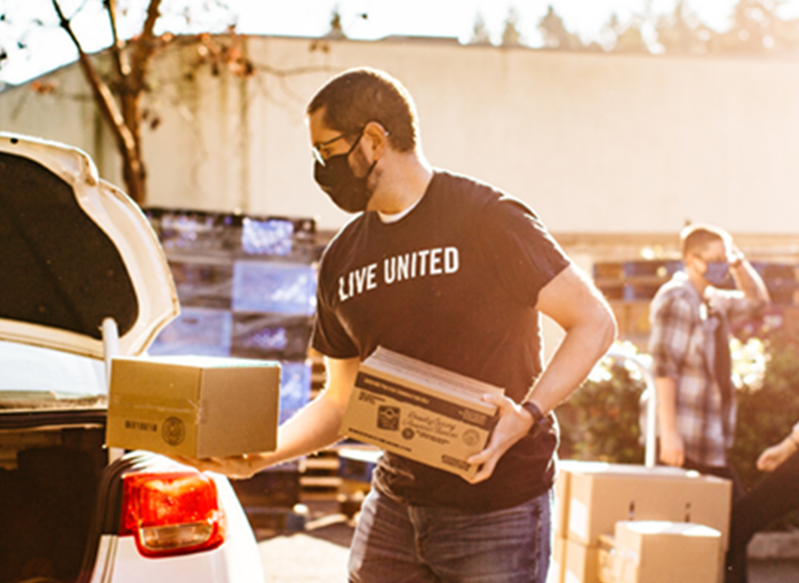
Our Home Grocery Delivery Program makes food more accessible for people who can’t easily reach a food bank. For many community members, visiting a food bank in-person isn’t possible, often due to disability, caregiving responsibilities, lack of transportation, or work hours that conflict with food bank hours.
Through trusted community partnerships and delivery logistics support from DoorDash and Amazon, we deliver groceries directly to households at no cost. The program is designed to be simple and low-barrier, reducing stigma for families and ensuring that they have groceries every week.
An analysis of United Way’s Home Grocery Delivery Program, completed by the University of Washington’s Master of Public Health program, found that our program fills key gaps in the traditional emergency food system.
At a Glance

United Way’s Home Grocery Delivery Program has completed over 1,000,000 such deliveries —a major milestone that sets the program apart as one of the largest food bank delivery services in the nation

Over 150,000 deliveries in 2025 alone

Continues to serve over 5,000 King County households each week

70% of participants identify as people of color
“I look forward to Tuesday afternoons…It’s like happiness in a bag.
After I had a stroke last year, I had to take a lower paying job, and the food deliveries have helped me and my child a lot. They’re much needed and appreciated. Thank you for your generosity.”
—Dorene, a Rainier Valley resident, single mother, and recipient of weekly Home Grocery Deliveries
Grocery Benefits
The Supplemental Nutrition Assistance Program (SNAP) is our nation’s first line of defense against hunger, providing families with monthly benefits to purchase essential food items. With an average benefit of $327 per household, SNAP brings peace of mind to nearly a million Washingtonians every month.
Despite SNAP’s impact, too many people face barriers to accessing this vital program. Confusing eligibility rules, persistent myths about qualifications, and a complex application process can all discourage eligible families from applying. As a result, thousands of Washingtonians who qualify for SNAP may go without the additional support they need.
At United Way, we’re working to break down these barriers and ensure equitable access to nutrition assistance programs. Through statewide outreach and community partnerships, we’re connecting people to clear, accurate, and timely information. And by advocating at both the state and federal levels for policies that strengthen and protect SNAP, we’re working to build a more accessible, responsive program that works for everyone.
Food System Stability Fund
Anti-hunger organizations in King County are being pushed to their limits. Demand is rising, resources are shrinking, and cuts to programs like SNAP are pushing more families to rely on an already strained emergency food system. Even small disruptions—a broken freezer, staffing shortage, or sudden surge in clients—can threaten an organization’s ability to keep serving its community.
United Way of King County’s Food System Stability Fund provides rapid, flexible funding to equip organizations to respond to urgent challenges and continue serving families without interruption. This fund helps organizations stay resilient during times of instability, so families can continue receiving the food and support they rely on.
deployed in rapid response support to organizations to keep food banks open, supply chains moving, and families connected to the food they need
Food Justice Collaborative
Not everyone experiences hunger the same way. In King County (specifically South King County), families of color experience poverty at disproportionately higher rates than the county as a whole. While traditional food banks provide a critical lifeline for many, language barriers, the lack of culturally relevant foods, and funding shortfalls often mean that food banks cannot meet the unique needs of households of color.
The Food Justice Collaborative is working to change that. Launched in 2023 with the leadership and major funding from United Way of King County, this coalition brings together 17 organizations led by and serving people of color to fight food insecurity in King County while shifting power within the emergency food system to those most impacted by systemic inequities. Today, United Way continues to serve as primary funder of the Collaborative, with strategy and direction provided by a co-leadership group representing member organizations. Member organizations meet monthly to share resources, pursue funding opportunities, and advocate with a unified voice to advance food justice for communities of color across King County.
Thank you to our current partners:



Advocacy in Action
Ending hunger means feeding people today while also confronting the systemic barriers that put people at risk of going hungry tomorrow.
This is why United Way advocates at both the state and federal level for increased food access in our community. Whether it’s expanding the reach of free school meals, protecting funding for SNAP, or increasing investments in the emergency food network, our team is committed to advancing policies that ensure every household has consistent access to nutritious food. Together, we’re building a more resilient food system where no one in our community has to worry about where their next meal will come from.
Recently, United Way joined statewide partners in advocating for increased investment in Washington’s emergency food system, including $93 million in state funding for food banks and pantries.
Need Help?
Whether you’re unable to access your local food bank or can’t afford to stock your pantry right now, our team and resources can help so hunger is the last thing you and your family need to worry about.
Real People. Real Stories.
-
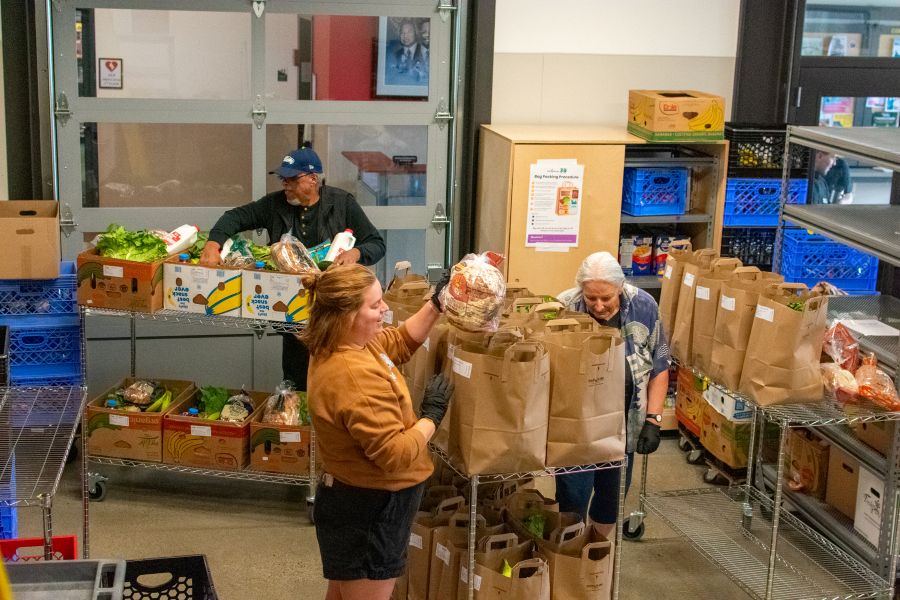
UWKC’s Home Grocery Program: One Million Deliveries and Counting
In March of 2020 – about two months after the first COVID-19 case was reported in the U.S. – United Way of King County responded by working with local partners to connect households to free home grocery deliveries. Six years later, United Way’s Home Grocery Delivery Program has reached one million deliveries to our neighbors…
-
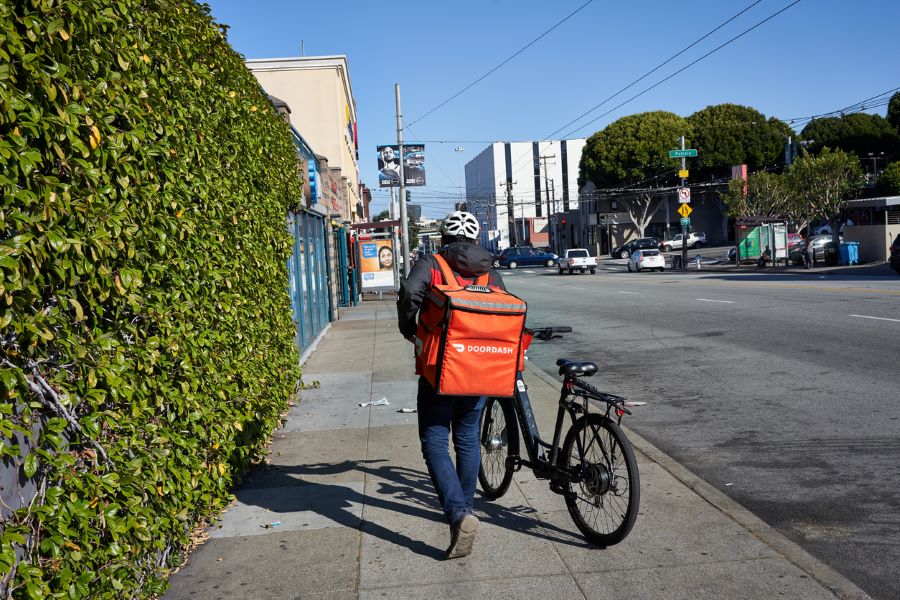
United Way’s Home Grocery Delivery Program Still Going Strong!
This blog post was written by Olivia Schwartz, United Way AmeriCorps Food Security Collaborator VISTA. United Way of King County’s Home Grocery Delivery Program delivers grocery boxes to almost 4,000 households each week, in partnership with King County food banks, Cascadia Produce, DoorDash, and Amazon. This service seeks to address food insecurity in many King…
-
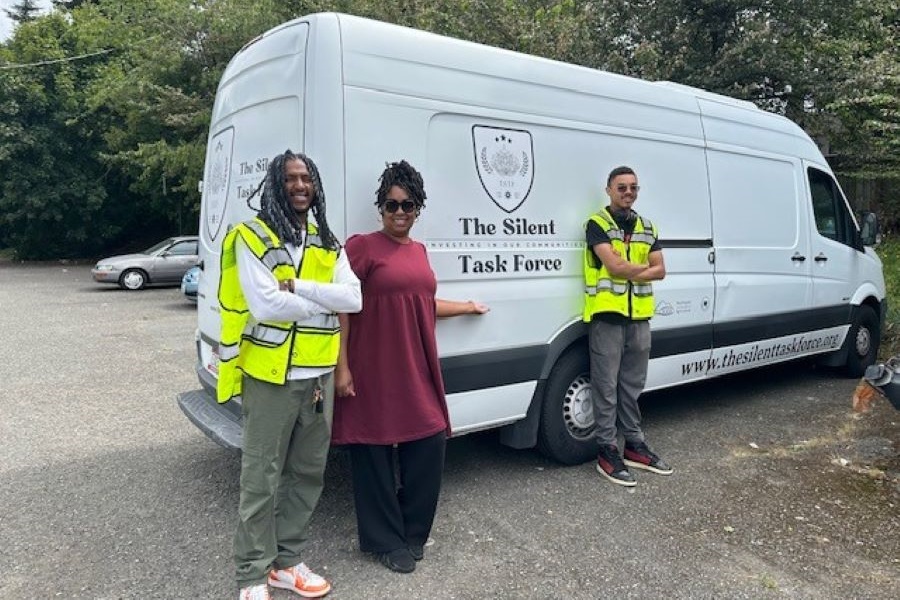
Here comes the new African American Home Grocery Delivery Box!
This blog post was written by Olivia Schwartz, United Way AmeriCorps Food Security Collaborator VISTA. United Way of King County’s Home Grocery Delivery Program partners with DoorDash, King County food banks, and Cascadia Produce to provide deliveries of free grocery boxes to nearly 4,000 families in King County each week. These boxes allow people who…
Support Our Work
With the need for hunger relief in King County soaring, our goal is to work with the community to help feed it. The more money we raise, the more people we can help. Every dollar counts.