


Increase food Access for Kids. End lunch shaming.
Picture yourself: You’re six years old, sitting in kindergarten, learning to read while suffering from a hunger-induced stomachache. Or you’re 16, trying and failing to keep up with calculus because you haven’t eaten all day, or longer. This is a reality for too many local students. Hungry kids struggle to learn, pay attention and thrive.
You’d think schools would be highly sensitive to the plight of hungry students, but recent coverage of shaming children for unpaid breakfast and lunch bills highlights a need to compassionately address poverty and hunger in our schools.
No kid should have to worry about where breakfast is coming from or how to pay for it. Local father Jeff Lew thought so, and took action by raising money to erase the Seattle school lunch debt. It’s amazing what one everyday hero can do, and schools have the ability to do even more. Good news: it’s easy!
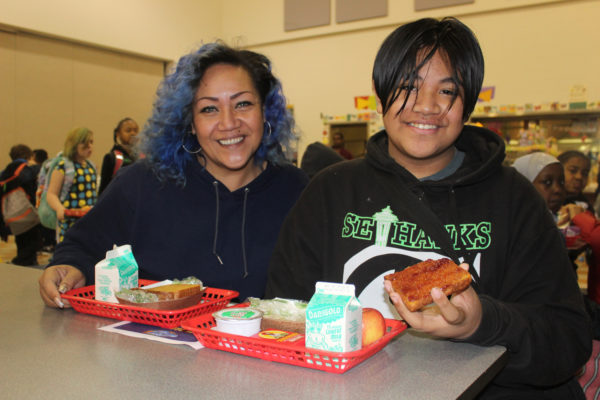
Our Fuel Your Future Program is in schools, increasing access to nutritious food. AmeriCorps VISTA cohorts work with administrators to ensure students grab breakfast before instruction even starts. It gives students and families tools to make healthy food choices.
We know that serving breakfast after the bell and providing free breakfast to all students has a powerful, positive impact on students and the bottom line of school meal budgets. We teamed up with the No Kid Hungry Campaign, Hunger Is, AmeriCorps, and the Seattle Sounders to make this a reality for 10 local schools.
Let’s do more of this.
We have a target list of dozens of schools that could benefit from collaborating to improve breakfast participation. Schools like Mark Twain Elementary in the Federal Way School District, Kent Elementary, Hilltop Elementary in Highline, and Asa Mercer Middle School in Seattle. As schools plan for the 2017-18 school year, we urge them to team up with United Way to Fuel Our Future.


Comments
Immigration Paths
March 27, 2025It's heartbreaking to think of children, as young as six, trying to focus on their studies while battling hunger. The practice of singling out students over unpaid meal debts, known as lunch shaming, only exacerbates their distress. No child should have to worry about affording a meal at school.
The initiative by Jeff Lew, a local father who raised funds to eliminate Seattle's school lunch debt, is truly commendable. His actions demonstrate the profound impact individuals can have in addressing systemic issues. However, it's imperative for schools to adopt policies that ensure all students have access to nutritious meals without fear of embarrassment or stigma.
Programs like "Fuel Your Future," which collaborate with schools to increase breakfast participation and promote healthy eating, are steps in the right direction. By implementing strategies such as serving breakfast after the bell and providing free meals to all students, we can create an environment where children are better prepared to learn and succeed.
Addressing food insecurity in schools requires a collective effort from communities, policymakers, and educational institutions. By working together, we can ensure that no child goes hungry and that every student has the opportunity to thrive academically and personally.
Immigration Guides
March 27, 2025The initiative to implement breakfast programs in schools, ensuring that students have access to nutritious meals without fear of embarrassment, addresses a critical issue in our education system. Hunger can severely impede a child's ability to learn and thrive, making such programs essential.
The collaboration with AmeriCorps VISTA to work with school administrators and promote healthy food choices demonstrates a proactive approach to tackling food insecurity among students. By serving breakfast after the bell and providing free meals to all students, the program not only nourishes young minds but also positively impacts school meal budgets.
Furthermore, the partnership with organizations like No Kid Hungry, Hunger Is, and the Seattle Sounders to implement these programs in local schools showcases the power of community involvement in addressing societal challenges. It's inspiring to see targeted efforts in schools such as Mark Twain Elementary and Asa Mercer Middle School, aiming to improve breakfast participation and, consequently, student well-being.